CRAFTSMANSHIP
CRAFTSMANSHIP
Even with advanced manufacturing techniques, it isn’t possible to automate the production of great guitars. The complexity of the task, combined with the need for constant awareness of the materials being used and the ability to adjust for minute variations, means that there is no substitute for the skill and sensitivity of experienced craftspeople.

-
เปลี่ยนแบบร่างเป็นกีต้าร์ชั้นยอด
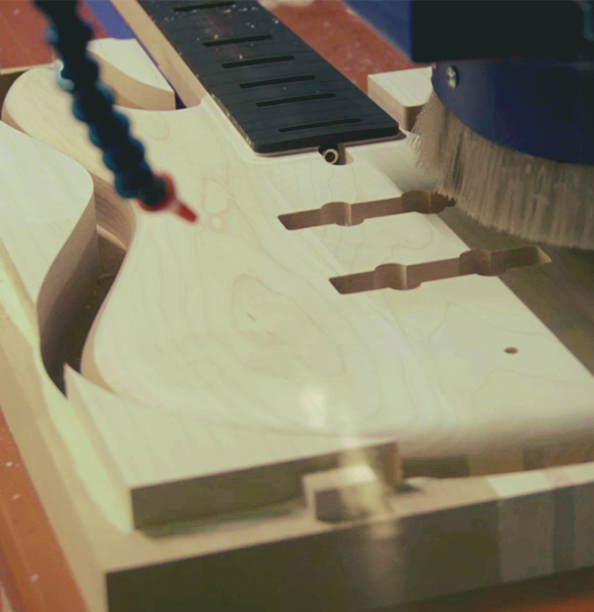
การแปลงแบบร่างเป็นกีต้าร์ดีๆ สักตัวไม่ใช่เรื่องง่าย เพราะแบบร่างเชิงเทคนิคบอกโทนเสียงของกีต้าร์ไม่ได้ และไม่สามารถบอกวิธีการผลิตที่ควรใช้เพื่อให้เราได้เสียงและคุณสมบัติตามที่ต้องการ ก่อนเริ่มสร้างกีต้าร์ตัวใหม่ นักออกแบบจึงต้องปรึกษาเรื่องแผนและเป้าหมายกับช่างในโรงงานเพื่อร่วมกันค้นหากระบวนการผลิตที่เหมาะสม เพราะกีต้าร์ทุกตัวล้วนแตกต่างกัน เราจึงต้องกำหนดระเบียบวิธีและกระบวนการผลิตให้เหมาะกับกีต้าร์แต่ละตัว
-
ย้ำคิดย้ำทำ

บางครั้ง “การย้ำคิดย้ำทำ” ก็เป็นหนทางเดียวที่จะทำให้เรามั่นใจได้ว่า กีต้าร์ของเราจะมีคุณภาพตามที่ต้องการในทุกๆ วันและทุกๆ สถานการณ์ มีหลายครั้งที่ Yamaha เน้นย้ำเรื่องรายละเอียดการผลิตอย่างหนักหน่วง แต่ผลลัพธ์ที่ได้ก็คุ้มค่า การจับคู่ตัวกีต้าร์กับคอกีต้าร์ตั้งแต่ในขั้นขึ้นรูปในกระบวนการจับคู่ตัวกีต้าร์กับคอกีต้าร์ก่อนการเคลือบผิวกีต้าร์อะคูสติกของ Yamaha นับเป็นตัวอย่างหนึ่ง ประสบการณ์ชี้ให้เราเห็นว่าคุณภาพของส่วนต่อระหว่างคอกับตัวกีต้าร์มีบทบาทสำคัญในการเพิ่มเสียงและการตอบสนองของกีต้าร์ พูดสั้นๆ ก็คือ เราจะต้องต่อประสานส่วนคอกับตัวกีต้าร์ให้ได้สมบูรณ์แบบ ระดับการควบคุมและความแม่นยำที่ได้จากการสร้างและตัดแต่งส่วนคอและตัวกีต้าร์ให้ประสานกันได้อย่างลงตัว ถือว่าคุ้มค่ากับความพยายามเพิ่มเติม
-
ผสานความแม่นยำของเครื่องจักรกับทักษะของมนุษย์ได้อย่างลงตัว
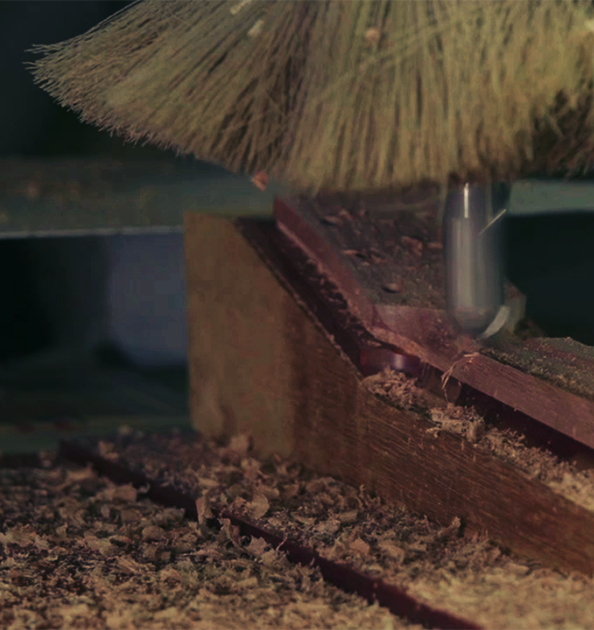
มีงานบางอย่างที่ควรให้เครื่องจักรรับหน้าที่ โดยเฉพาะงานที่ต้องอาศัยความแม่นยำสูงและต้องทำซ้ำๆ เช่น การตัดร่องเฟรทบนฟิงเกอร์บอร์ด ซึ่งเป็นงานสำคัญที่ต้องอาศัยเครื่องตัดที่แม่นยำและควบคุมด้วยคอมพิวเตอร์ แต่เพื่อให้ได้กีต้าร์ที่ตอบโจทย์ความต้องการของนักกีต้าร์อย่างแท้จริง เราจะต้องอาศัยความใส่ใจและความยืดหยุ่นของมนุษย์ ในขั้นนี้เองที่ฝีมือและประสบการณ์ของทีมช่าง Yamaha จะได้เฉิดฉาย
-
การประกอบขั้นสุดท้าย
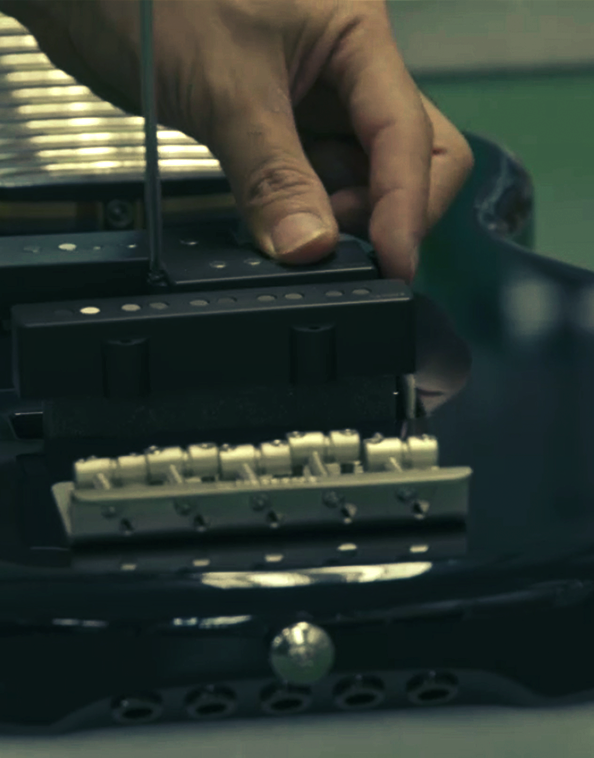
Yamaha ทุ่มเทใส่ใจเพื่อให้กีต้าร์และเบสทุกตัวที่ออกจากโรงงานให้คุณภาพการเล่นสูงสุด ผู้เล่นบางคนอาจปรับแต่งกีต้าร์เองเล็กๆ น้อยๆ เพื่อให้เข้ากับสไตล์การเล่น แต่รายละเอียดที่สำคัญ เช่น การปรับตั้งระดับเฟรทและการเคลือบผิวจะต้องดำเนินการผ่านศูนย์ซ่อมที่โรงงาน การประกอบขั้นสุดท้ายต้องอาศัยความใส่ใจขั้นสูงสุดเพื่อให้ได้เสียงและประสิทธิภาพดีที่สุด เสียงและคุณภาพการเล่นอาจด้อยลงหากจัดวางชิ้นส่วนไม่ถูกต้องหรือประกอบชิ้นส่วนไม่แน่นหนา ด้วยเหตุนี้เราจึงออกแบบศูนย์ประกอบชิ้นส่วนและกระบวนการที่ใช้ให้เอื้อต่อความลื่นไหลและประสิทธิภาพในการประกอบ เพื่อให้ผู้ประกอบใส่ใจเรื่องผลลัพธ์ที่สมบูรณ์แบบได้อย่างเต็มที่
-
การรังสรรค์เครื่องมือ
เครื่องมือส่วนใหญ่ที่ใช้ทำกีต้าร์ต้องทำขึ้นด้วยมือเพื่อให้ตอบโจทย์การใช้งาน และเครื่องมือหลายอย่างก็ผลิตมาเพื่อใช้กับกีต้าร์รุ่นเดียวโดยเฉพาะ ไม่สามารถใช้ร่วมกับรุ่นอื่นได้ การพัฒนาเครื่องมือและอุปกรณ์แบบเพื่อเอื้อให้ช่างทำกีต้าร์ออกมาได้อย่างสมบูรณ์แบบ เป็นอีกหนึ่งองค์ประกอบสำคัญในแนวทางการสร้างงานฝีมือของ Yamaha แต่เครื่องมือและอุปกรณ์ย่อมสึกหรอและสูญเสียความแม่นยำเมื่อผ่านการใช้งาน เราจึงใส่ใจและดูแลเป็นพิเศษเพื่อให้เครื่องมือเหล่านี้อยู่ในสภาพดีที่สุดเสมอ ซึ่งเป็นอีกหนึ่งเคล็ดลับสำคัญที่ซุกซ่อนไว้ในงานควบคุมคุณภาพโดยรวม

-
ส่งต่อทักษะและฝีมือ
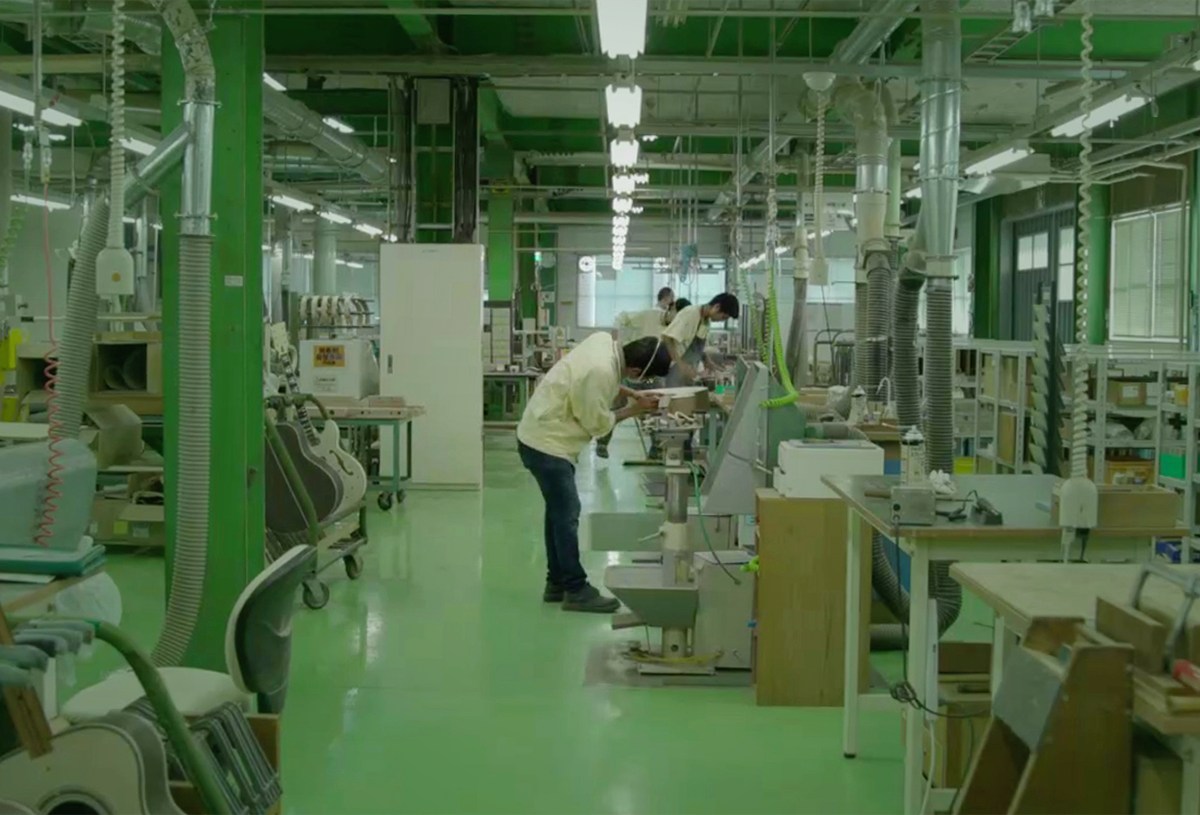
เพราะการทำกีต้าร์ดีๆ ต้องอาศัยทักษะและความชำนาญ หนทางเดียวที่จะการันตีได้ว่าคุณภาพของกีต้าร์จะมั่นคงและยืนยาวจวบจนอนาคตจึงเป็นการส่งต่อความรู้ความเชี่ยวชาญให้กับช่างฝีมือรุ่นใหม่ การส่งต่อทักษะเช่นนี้ต้องมีการลงมือฝึกหัดด้วยตัวเอง เพราะเหตุนี้เอง Yamaha จึงกำหนดให้การส่งต่อความรู้เป็นขั้นตอนหนึ่งในกระบวนการผลิตกีต้าร์อย่างเป็นทางการ แม้ทีมช่างจะเปลี่ยนแปลงไปตามกาลเวลา แต่ Yamaha มุ่งมั่นส่งเสริมประสิทธิภาพในการส่งต่อทักษะพื้นฐานและนวัตกรรมต่างๆ ที่เราคิดค้นขึ้น เพื่อให้กีต้าร์ของ Yamaha พัฒนายิ่งขึ้นไปได้อย่างไม่หยุดยั้ง
-
ขั้นตอนการทำกีต้าร์
Wood Selection

The materials used to craft a guitar are chosen to match the role and characteristics of each part of the instrument. On an acoustic guitar, the top plays the most important part in transforming the vibrations of the strings into sound, and is usually made of a light, resonant wood such as spruce. Conversely, the sides and back of the guitar must be made from a comparatively stiff, heavy wood such as rosewood, in order to provide support for the vibrations of the top.
The process of balancing strength, sound and looks is repeated for every part of every guitar, and the best materials are chosen accordingly.
Wood Drying
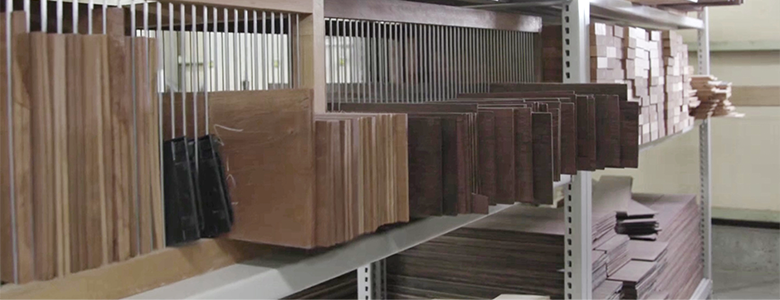
The drying process is a crucial stage in the making of Yamaha guitars.
When building a guitar, ensuring the wood used has the right level of moisture, and that the moisture level is stable, is essential to the quality of the finished instrument. Yamaha produces a great many instruments that are made of wood, and as a result, has accrued a wealth of knowledge on how to lower the amount of moisture in an instrument, and then maintain the desired moisture level.
Yamaha utilizes a combination of natural and artificial drying to reduce the moisture to a level of approximately five percent. Wood that has finished artificial drying is seasoned in a room at constant humidity and temperature to ensure that its moisture content remains stable in the wide variety of conditions it may encounter around the world.
A.R.E. / Acoustic Resonance Enhancement

A.R.E. is a proprietary technology developed by Yamaha that alters wood in the same manner as years of aging does, breaking down and changing its internal structure.
By changing the shape of the wood fibres at a microscopic level and breaking down hemicellulose, a material that causes the fibres to stick together, ARE gives a guitar the same mature, rich, warm, open sound as that of an instrument that has been played for years. A.R.E. is applied as part of the final drying process.
Woodworking
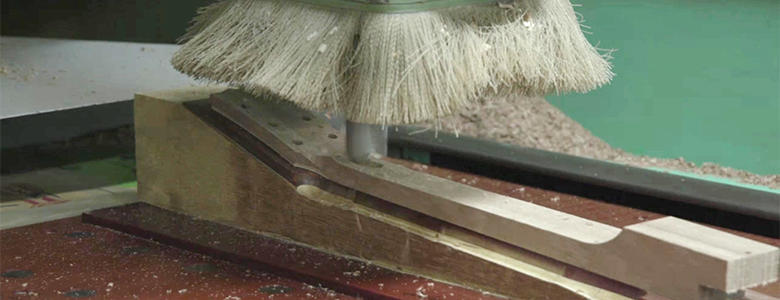
Advanced techniques utilizing computer-controlled machinery are used for processes that require high precision and repeatability, such as cutting fret slots and machining guitar bridges. These modern guitar building methods are used at Yamaha factories in Japan, China, and Indonesia, and combined with the traditional handcrafting skills and know-how developed through more than 60 years of crafting guitars in Japan and at our factories around the world.
Woodworking: attaching the bracing

The bracing on an acoustic guitar is an extremely important element in maintaining the strength of an acoustic guitar’s top while transmitting the vibrations of the body throughout the instrument.
At Yamaha, we utilize methods including vacuums and air-presses to ensure a high level of secure clamping for the bracing. These methods preserve the strength of the bond between the bracing and the guitar top and back, reducing the loss of vibrations throughout the instrument.
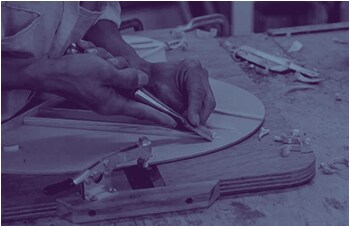
Carving the bracing requires extreme skill and sensitivity from an experienced guitar builder. Chisels are used to shape the bracing, and then the craftsman taps it to check its sound. This task is repeated with painstaking care to produce the perfect bracing shape.
Woodworking: attaching the linings

Acoustic guitar linings are thin sheets applied to the inner surfaces of the instrument sides so that they can be joined to the guitar top and back. They play a key role in transmitting the vibrations of the guitar top from the sides to the back, spreading them throughout the body of the instrument. As with every other step in building a guitar, precision is key – the linings have to be perfectly shaped, and uniformly and firmly fitted to the curves of the guitar body in order to be strong and stable.
Woodworking: bending the sides
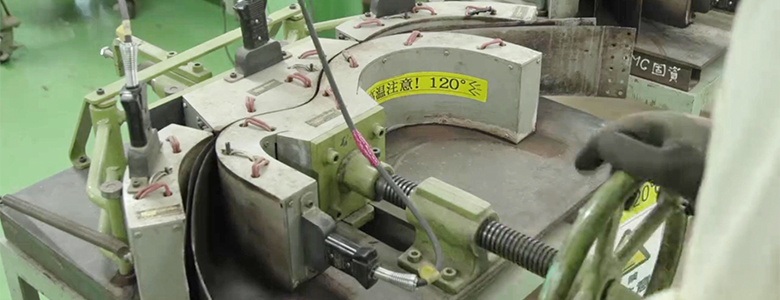
To make the curved shape of an acoustic guitar from a flat piece of wood, heat is applied to the side, which is then curved using a press. After removing it from the press it is placed in a mold, and cooled, eliminating moisture. This process has to be monitored carefully as applying too much heat will cause moisture retention, causing the guitar to deform later, while too little heat can result in the sides cracking.
Woodworking: gluing the body
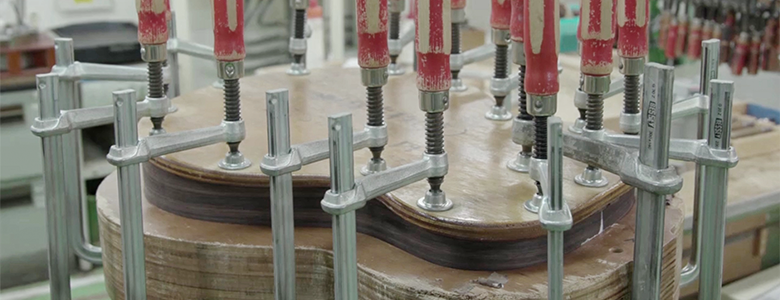
Different Yamaha guitars use different processes, but for L Series acoustic guitars the top and sides are glued first, followed by the back.
This step-by-step process results in less residual stress when the body is complete than when they are glued at the same time, making it easy for the whole body to vibrate and product a rich, resonant tone.
Woodworking: fitting the binding

There are two main types of binding —those made from resin, and those crafted from wood. When gluing resin inlays a special glue that melts the resin while gluing is used and then clamped to accelerate adhesion. For wood inlays a different adhesive is used, with parts being fixed firmly in place with clamps during the time it takes for the bond to dry.
Woodworking: joining the neck and body

Yamaha’s custom-built classical guitars are made using a Spanish-style construction in which the heel of the neck and the neck block are crafted as a unified whole from a single piece of wood. For all other models, the neck is inserted into a groove cut into the body, forming a dovetail joint.
A single stroke with a plane may change the strength or angle of the joint, affecting the sound or action height of the guitar significantly, so this method requires a high degree of precision and skill.
Finishing
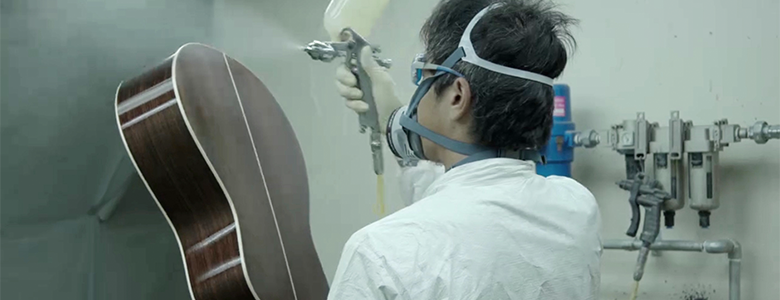
Guitar finishing work is separated into four main processes: the undercoat and mid coat for the wood filler, top coat, and polishing. Sanding is carried out at each stage, moving gradually to a finer-grained sandpaper as the surface becomes smoother.
During coating, a film approximately 10 microns (0.01mm) thick is applied precisely with each spraying. Each coating is applied in a layer that is not too thin, nor too thick, to avoid beading of the paint. The finishes used are developed in a joint effort between Yamaha’s in-house research divisions and finish manufacturers, with an emphasis on sound, ease of application, and the ability to cope with changes in the guitar’s environment.
Finishing: Shellac coating

Shellac is used in coatings for custom classical guitars.
This is a traditional method of coating used in Spain, which contains the purified secretions of the lac bug, an insect found in Southeast Asia. Shellac coating is the process of dissolving this secretion in alcohol and then applying it in thin layers with a pad. Each coat is approximately 1/100th of the thickness of a normal coat of paint.
Shellac coatings are applied in approximately 300 layers, and must be dried after each layer. Because of this, a shellac coating takes around three months to complete.
Buffing

Buffing is the last process in applying the guitar’s finish..
A range of different abrasive compounds and buffing cloths are used to buff the guitar to a brilliant shine. Different finish types result in coatings of differing hardness, so it is necessary to take measures such as altering the RPM of the buffing machine or reduce the strength with which it is applied to get a perfect finish.
Installing the frets

After finishing, the surface of the fret board is sanded and the frets are installed.
The frets are fitted last because the shape of the neck changes after finishing and during the post-finishing drying process, so installing the frets prior to finishing would necessitate a great deal of sanding during the final adjustment of the guitar.
Joining the neck and body (electric guitars and basses)
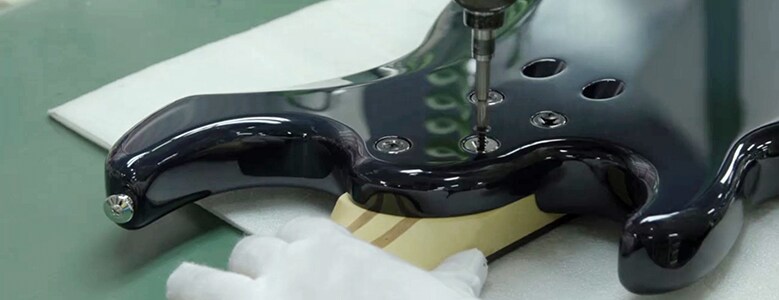
For electric guitars and basses with bolt-on necks, the neck and body are finished separately, and then joined at the start of the assembly process. Fitting them together without any gap and adjusting the angle of the joint to achieve optimum playability requires skill, precision and patience
Attaching the bridge

After installing the frets on an acoustic guitar, the next step is to attach the bridge.
The bridge is clamped firmly to the guitar’s top to ensure that the string vibrations are transmitted properly.
Because attaching the bridge in the perfect position is crucial to an acoustic guitar’s sound and playability, a special tool is used to keep clamping strength at a fixed level and ensure that there is no movement or variation.
Final assembly
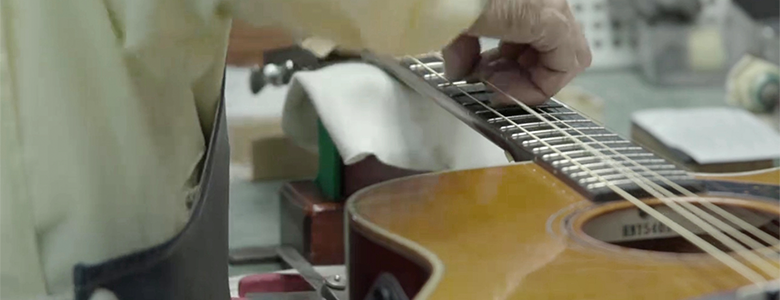
Final assembly is when the rest of the guitar’s hardware and parts, including any pickups or electronics on an electric guitar or bass are fitted. Every single part is adjusted carefully on each instrument to optimize the sound, ensuring that string vibrations are transmitted properly and playability is perfect.
I.R.A. / Initial Response Acceleration (electric guitars and basses)

After assembly and adjustment, some electric guitars feature a process called Initial Response Acceleration where the completed guitar is vibrated at specific frequencies and intensities . Subjecting the guitar to these vibrations eliminates stresses between parts built up during assembly, resulting in an instrument with excellent resonance, despite being completely new.
Inspection
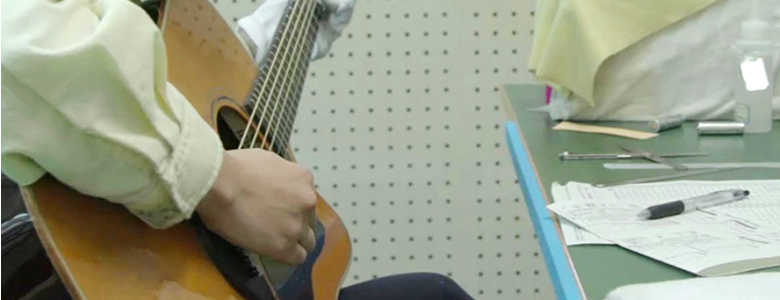
Inspection is carried out at every stage of the building process, but a final inspection is performed to double-check the sound and playability of each guitar.
If these are all approved and the guitar meets our exacting specifications, the exterior of the instrument is carefully inspected for marks and flaws. When that final hurdle is passed, the finished guitar is packed and shipped to its new home.